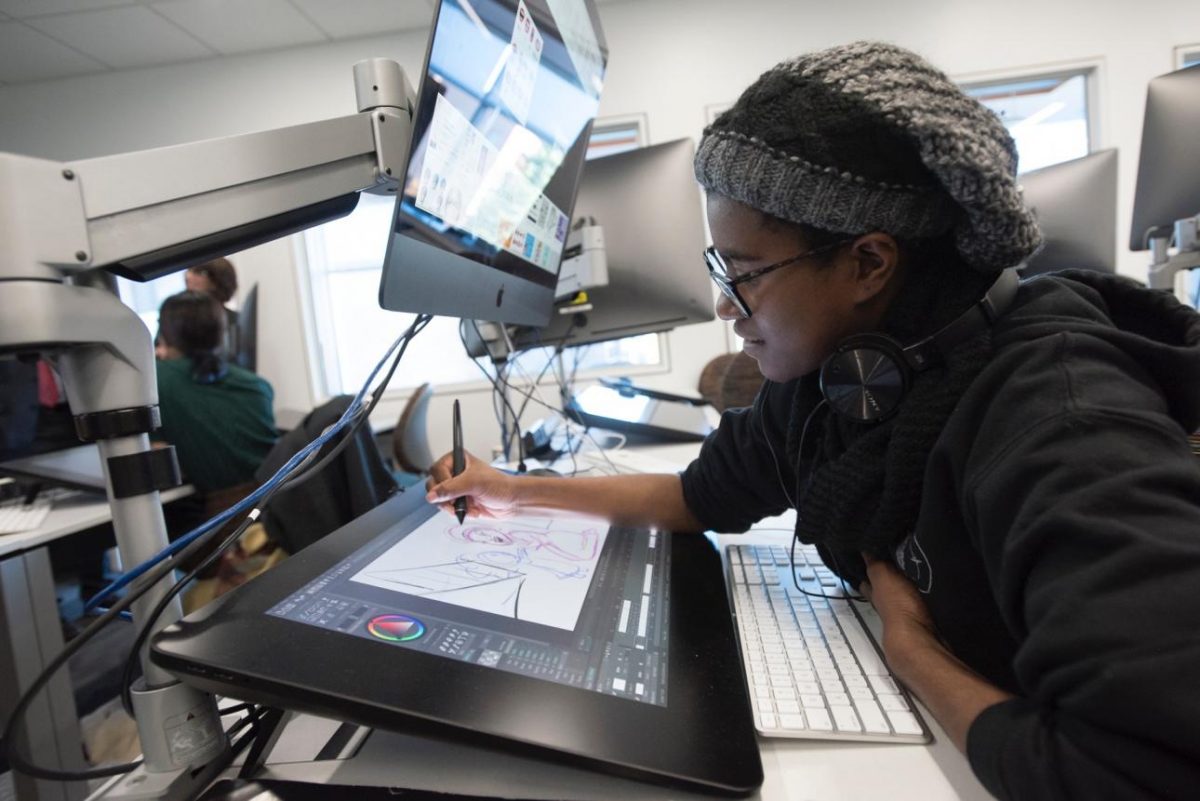

Developing a Role Playing Game

Over the years, the RPG has changed significantly. From playing on desktop, more gamers play using their mobile devices. Also, the genre looks very different as it was in previous years. Regardless of that face, there are elements one must know about when creating an RPG game: the audience, the pacing, the experiences, and the customization. In this article, we are going to focus on the pacing.
Pick the Right Pacing

Several role-playing games have good beginnings, yet most make the same mistake: pacing that is too quick or too slow. A pace that is too fast can overload your players, …


Choosing the Right Influencers for Your Game

Gaming influencers can significantly impact a player’s intent to play a game. That is because influencers show their transparency when it comes to their private lives. With that said, here are some guidelines that can help you choose the right influencers for your game:

Look for influencers who have the same audience.
Check an influencer’s number of views over the number of subscribers. A person can have a lot of subscribers but only have a few view counts.
Also, check for the engagement rate. An influencer can have a lot of views but have a low engagement rate at the same time. So, it means they have …

Selecting a Game Protocol

One crucial factor that affects a multiplayer game is the instrument that brings information between central servers and players. That is what you call a protocol, and selecting the right game protocol is a vital step in setting up your game’s architecture.
Continuous Connection

This is one crucial element that should impact your decision on the protocol you choose for your game. Continuous connection creates a tunnel of connection between two points that is constant throughout a session. This is very important for MMOs, RPGs, multiplayer FPS, and RTS games.

Things to Think About When Designing Casual Games

To produce a successful casual game at a fast speed, one must have a production system that mainly focuses on design.
Step 1: Brainstorm ideas
Consider all your ideas and determine which approach has the highest potential. Look for themes that are general to most age groups and cultures. Also, for a game to be unique, it will only need at least two aspects to make it different from the rest. It can be your story, visual style, or mechanics.
Step 2: Plan the Whole Development Cycle
The process of brainstorming to own a prototype should only last up to a maximum of three days…

Tips for a Great User Experience for F2P Game Players

The game industry has a lot of free-to-play games to offer. Game manufacturers do all that they can to be on top. In reality, it is easy to create a F2P game, but the challenge comes when you want your players to continue playing. What are the secrets of those famous F2P games? Without question, the main element that keeps players in touch is their first experience of the game. So, here are some tips.
Provide Instant Satisfaction
A F2P game developer must satisfy their players immediately…