
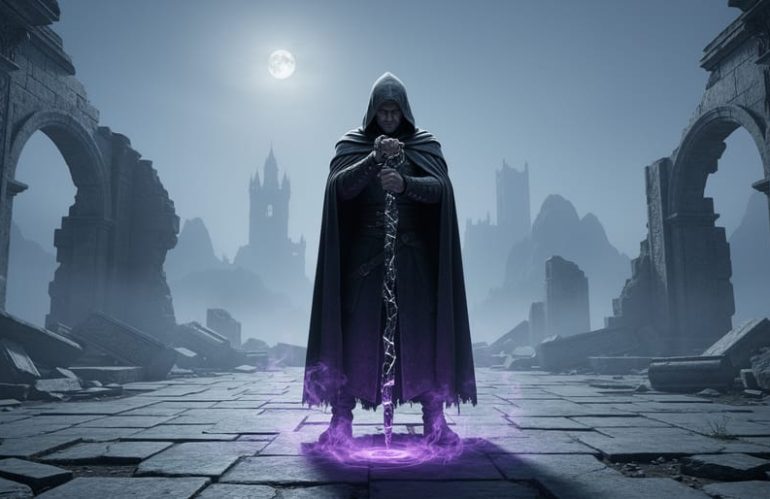
Warlock: Dungeons & Dragons is an original, third-person, single-player action-adventure game set in a dark fantasy open world inspired by the iconic tabletop RPG franchise. Developed by Montréal-based Invoke Studios and published by Wizards of the Coast, the title represents a fresh take on D&D video game adaptations, moving away from traditional party-based RPGs toward an exploration-driven experience built for immersive solo play.
The game has generated significant attention following an exclusive extended gameplay presentation at Opening Night Live and a press-only showcase with developer Q&A. For game developers …
Category: Blog
YMO Computer Games: A Deep Dive into Yellow Magic Orchestra’s Electronic Gaming Legacy
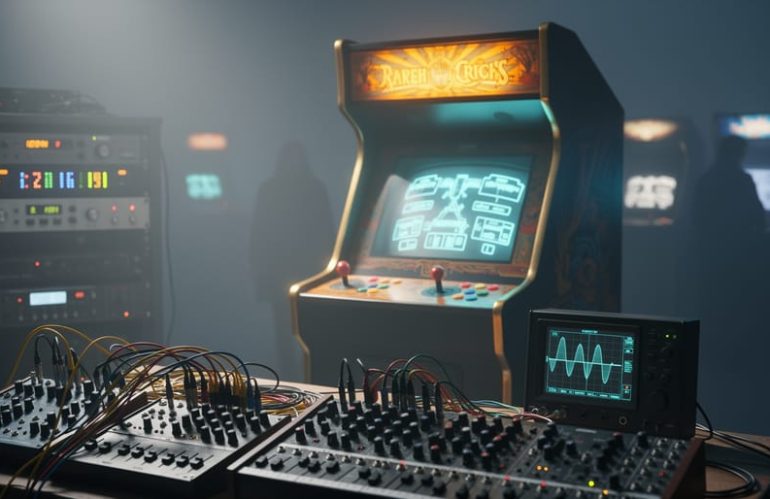
Yellow Magic Orchestra’s 1978 track “Computer Game” stands as one of the earliest recorded examples of electronic music explicitly designed to evoke the aesthetic and sonic texture of video arcade culture. For game developers and tech professionals today, YMO’s pioneering synthesis work offers more than historical curiosity: it reveals how the reciprocal relationship between music technology and interactive entertainment has shaped modern game audio pipelines, particularly in Unity-based multiplayer development where adaptive soundscapes drive player engagement.
The Tokyo-based trio of Haruomi Hosono, Ryuichi…
Dungeons & Dragons Online: A Massively Multiplayer RPG Set in Eberron
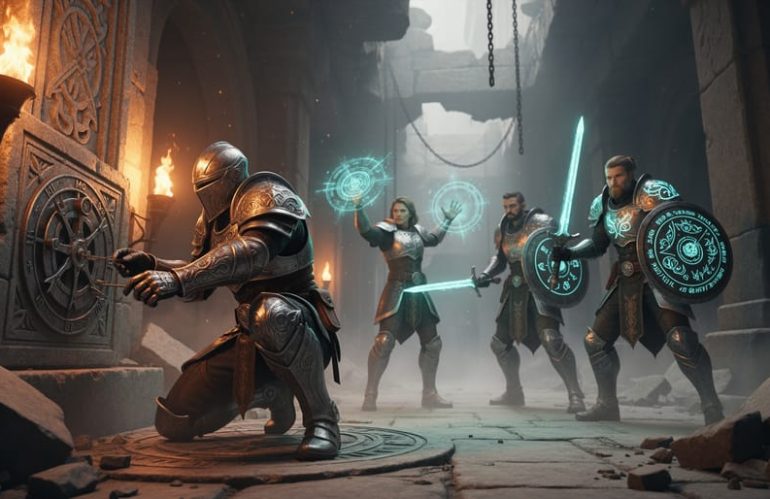
Dungeons & Dragons Online is a free-to-play MMORPG set in the Eberron campaign setting that translates tabletop D&D mechanics into real-time combat and dungeon exploration. If you’re wondering whether DDO still deserves your attention in 2026, the answer is yes. The game continues to receive active updates (Update 81.1.1 dropped this week, following 81.1 on August 5th) and offers a genuinely free experience that respects both your wallet and your time, though the optional VIP subscription at $14.99 monthly unlocks the full breadth of content.
What sets DDO apart from typical MMORPGs is its commitment to authentic D&…
What Developers Can Learn from Stardew Valley’s 10-Year Success Story

Ten years after launch and 50 million copies sold, Stardew Valley’s sustained commercial success offers game developers a proven blueprint for building projects with decade-long retention. Created by solo developer Eric Barone, the game demonstrates how focused design principles, authentic creative vision, and consistent post-launch support can outperform AAA budgets and massive teams. The 2026 anniversary milestone arrives alongside cultural expansion beyond gaming, including the Festival of Seasons concert series touring venues like Montréal’s Cinquième Salle, proving the franchise now commands cross-media engagement …
Why Unity Game Developers Are Studying the THCp Vape Industry Right Now

Unity developers navigating 2026 face a market defined by three dominant forces: AI-assisted workflows that compress production timelines by 40-60%, platform fragmentation demanding simultaneous optimization for mobile, XR, and cloud streaming, and revenue models borrowed from industries as unexpected as consumables. The cross-pollination between game development and rapid-iteration consumer products (think Exhale Wellness THCP vapes and their disposable counterparts) reveals shared principles in user retention, experience design, and market testing that Unity teams can deploy …
What Are Moore Games Core Principles (and How Do They Shape Game Development)?
Moore Games Core Principles represent a systematic development methodology that prioritizes player retention, monetization balance, and scalable multiplayer architecture in mid-core game design. These principles form the operational backbone of how we approach Unity-based game development, ensuring every project delivers measurable engagement while maintaining creative integrity.
In an industry where 78% of mobile games lose 90% of their players within the first 30 days, having a structured framework matters more than ever. The Moore Games approach emerged from years of building multiplayer titles that needed to balance competitive …
Why Your 2-Team Setup Could Make or Break Your Mid-Core Multiplayer Game
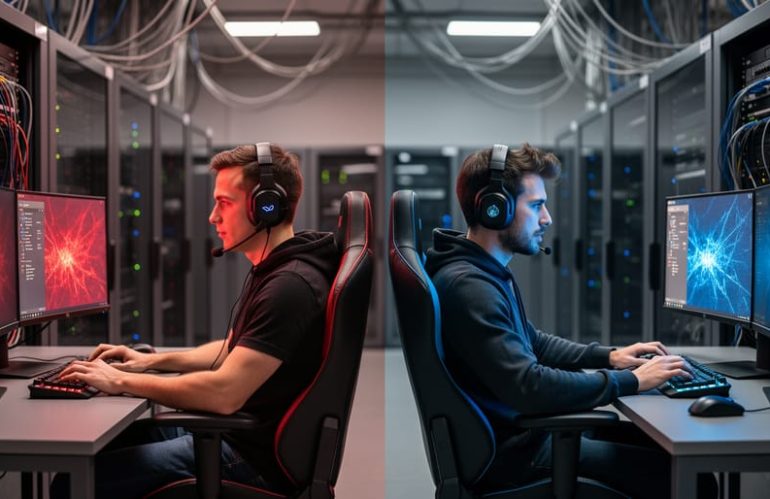
Design your 2-team game architecture in Unity by establishing clear role distinctions between offensive and defensive mechanics from the earliest prototyping phase. This foundational decision drives everything from network synchronization patterns to UI layout, determining whether your mid-core multiplayer experience feels cohesive or fragmented. Map each team’s win conditions to specific gameplay loops that reward coordination—capture-the-flag mechanics demand different netcode optimization than elimination-based objectives, and your server architecture must reflect these structural differences.
Structure your development …
Does Playing Video Games Before Bedtime Result in Poor Sleep?

Sleeping is the most basic and the most critical need of the human body. Not only does it help you recover from the demands of your daily life, but it also allows your body to continue functioning effectively.
As such, experts advise having at least 6 hours of sleep every day. Experts will encourage sleepers to go out of their way to select a top-quality Canadian mattress. For children and teenagers, they need 6 to 8 hours of sleep.
Importance of Sleep
Good sleep optimizes health and well-being by allowing the body the needed rest to repair damaged tissues …
Selecting a Game Protocol

One crucial factor that affects a multiplayer game is the instrument that brings information between central servers and players. That is what you call a protocol, and selecting the right game protocol is a vital step in setting up your game’s architecture.
Continuous Connection
This is one crucial element that should impact your decision on the protocol you choose for your game. Continuous connection creates a tunnel of connection between two points that is constant throughout a session. This is very important for MMOs, RPGs, multiplayer FPS, and RTS games.
…
Tips for a Great User Experience for F2P Game Players

The game industry has a lot of free-to-play games to offer. Game manufacturers do all that they can to be on top. In reality, it is easy to create a F2P game, but the challenge comes when you want your players to continue playing. What are the secrets of those famous F2P games? Without question, the main element that keeps players in touch is their first experience of the game. So, here are some tips.
Provide Instant Satisfaction
A F2P game developer must satisfy their players immediately…