
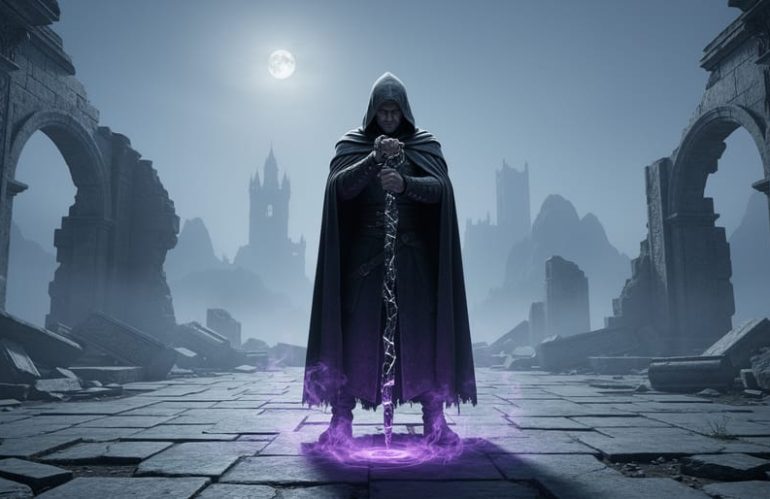
Warlock: Dungeons & Dragons is an original, third-person, single-player action-adventure game set in a dark fantasy open world inspired by the iconic tabletop RPG franchise. Developed by Montréal-based Invoke Studios and published by Wizards of the Coast, the title represents a fresh take on D&D video game adaptations, moving away from traditional party-based RPGs toward an exploration-driven experience built for immersive solo play.
The game has generated significant attention following an exclusive extended gameplay presentation at Opening Night Live and a press-only showcase with developer Q&A. For game developers and technical audiences, Warlock offers a case study in how established tabletop IP translates into modern action-adventure mechanics. The open-world structure, combat systems, and narrative design choices all point to a deliberate effort to capture the atmospheric depth of D&D while delivering responsive, player-driven gameplay that stands apart from recent franchise entries like Baldur’s Gate 3.
This article breaks down what makes Warlock distinct within the D&D gaming ecosystem. We’ll examine its core gameplay components, explore how Invoke Studios approached world-building and combat design, and position the title within the broader market of fantasy action games launching in 2026.
What Warlock: Dungeons & Dragons Brings to the Table
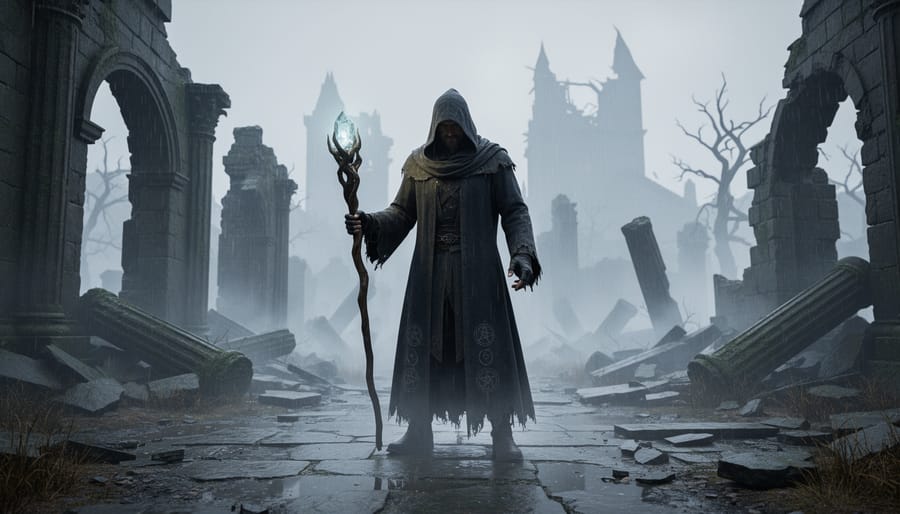
Warlock: Dungeons & Dragons is a third-person, single-player action-adventure game that reimagines the tabletop RPG’s rich lore through the lens of dark fantasy exploration and combat. Developed by Montréal-based Invoke Studios and published by Wizards of the Coast, the game trades dice rolls and character sheets for real-time swordplay, spell-slinging, and environmental discovery across an open world steeped in D&D mythology.
Unlike cooperative party-based D&D adaptations such as Baldur’s Gate 3 or dungeon crawlers that emphasize loot grinding, Warlock centers the player as a lone protagonist navigating a world shaped by the franchise’s iconic monsters, magic systems, and moral ambiguity. The third-person perspective puts you directly into the action, controlling movement, combat timing, and exploration in real time rather than issuing commands to a party or waiting for turn queues.
The open-world structure allows for non-linear progression and discovery. You’re free to tackle regions, quests, and encounters in your chosen order, much like tabletop campaigns that reward player agency. The dark fantasy aesthetic leans into D&D’s grittier settings, think Ravenloft’s gothic horror or the Underdark’s oppressive depths, rather than high fantasy heroics, giving the game a distinct visual and narrative tone.
What sets Warlock apart is its commitment to a focused, authored single-player experience. Where many modern D&D games chase multiplayer engagement or endless replay loops, Invoke Studios is building a narrative-driven adventure that borrows the setting’s depth without the need for co-op coordination or procedural generation. The extended gameplay reveal at Opening Night Live showcased this philosophy: deliberate world-building, meaningful combat encounters, and a clear creative vision that respects the source material while carving out its own identity in the crowded action-adventure space.
How Warlock’s Gameplay and World Design Work
Warlock’s gameplay builds on a third-person action-adventure foundation where combat, exploration, and character progression unfold across an open-world map steeped in D&D lore. The extended gameplay reveal at Opening Night Live showcased a traversal-heavy experience: players navigate dark forests, ruined fortresses, and cavernous dungeons, with vertical exploration and environmental storytelling woven into every zone. Movement feels fluid, with climbing, sliding, and ledge-grabbing mechanics that encourage players to seek hidden paths and shortcuts rather than following a linear corridor. Combat leans into real-time action rather than turn-based tactics, rewarding timing, positioning, and resource management as you face monsters drawn from D&D’s bestiary.
The open-world structure gives you freedom to tackle objectives in multiple orders, but the design still gates progress through ability unlocks and narrative beats. Quest chains introduce recurring characters, moral choices, and branching paths that shape how the story unfolds. The game integrates D&D-inspired systems, character classes, spell casting, equipment customization, into an action framework, so you might equip a warlock’s eldritch blast as a ranged attack or a fighter’s melee strikes as your primary damage tool. Spells consume cooldowns or resource pools instead of spell slots, adapting tabletop mechanics to the pace of real-time combat. Loot drops include weapons, armour, and consumables, and a progression tree lets you specialize your build as you level up.
World design layers D&D’s narrative depth with environmental cues: ruins hint at ancient conflicts, NPCs reference factions and lore from the tabletop game, and side quests explore moral dilemmas that echo a dungeon master’s storytelling. The dark fantasy tone permeates the art direction, with muted palettes, gothic architecture, and creature designs that feel both familiar to D&D veterans and fresh for action-adventure players. Invoke Studios aims to support the narrative with music and sound design that shift dynamically, ambient exploration tracks give way to tense combat themes, reinforcing the mood as you move between zones.
The core design pillars that define Warlock’s experience include:
- Third-person combat and exploration with real-time action mechanics
- Open-world structure allowing non-linear quest progression and discovery
- D&D-inspired lore, classes, spells, and creatures integrated into gameplay systems
- Single-player narrative focus with branching choices and character-driven storytelling
This combination positions Warlock as a hybrid: accessible to players who have never rolled a d20, yet rich enough in D&D detail to satisfy longtime fans seeking a deeper solo adventure in the Forgotten Realms.
Core Components of the Warlock Experience
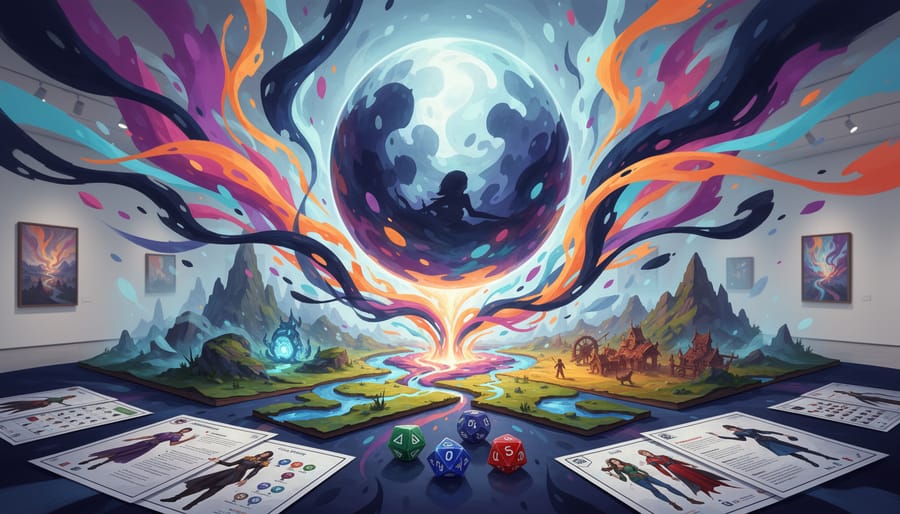
Warlock’s design rests on four interconnected pillars that shape how players experience this D&D adaptation. Each component was carefully chosen to translate tabletop fantasy into an immersive single-player journey while maintaining the franchise’s signature depth and atmosphere.
- Dark Fantasy Setting
- A visual and narrative approach that emphasizes shadows, danger, and morally complex storytelling rather than heroic high fantasy. This aesthetic grounds Warlock’s world in tension and consequence, drawing from D&D’s more sinister campaign themes.
- Open World
- A seamless, explorable environment where players navigate diverse regions without artificial boundaries or loading screens. The structure encourages discovery and player-driven progression through a connected fantasy landscape.
- Action-Adventure Gameplay
- Real-time combat and movement systems that prioritize skill-based encounters, environmental interaction, and character progression through quests and challenges. This third-person format replaces turn-based mechanics with dynamic action sequences.
- D&D Universe Integration
- The incorporation of established Dungeons & Dragons lore, creatures, magic systems, and world-building into the game’s narrative and mechanical framework. This connection ensures authenticity for franchise fans while providing rich source material for world design.
The dark fantasy aesthetic informs every visual choice, from environmental design to creature models, creating a world that feels dangerous and unpredictable. Developers at Invoke Studios emphasized this tonal commitment during their press presentation, explaining how it distinguishes Warlock from lighter D&D adaptations. The open-world framework supports this atmosphere by letting players wander into threats organically rather than following linear paths.
Combat systems blend responsive third-person action with D&D-inspired abilities and spells, giving players familiar fantasy tools through a different mechanical lens. The integration of D&D universe elements goes beyond cosmetic references, core systems like character progression and enemy design pull directly from tabletop source material, adapted for real-time play. Together, these components create an experience where exploration, combat, and D&D authenticity reinforce each other rather than competing for attention.
Development and Technical Foundations
The partnership between Wizards of the Coast and Montréal-based Invoke Studios represents a deliberate approach to translating D&D’s expansive tabletop universe into a focused single-player experience. Invoke Studios, founded by former Ubisoft veterans who worked on titles like Rainbow Six Siege, brings technical expertise in action-oriented game systems and open-world design. Their experience with third-person combat mechanics and environmental storytelling positions them to tackle the unique challenges of adapting a rules-heavy tabletop system into fluid real-time gameplay.
The core technical challenge lies in preserving D&D’s signature complexity while creating accessible action-adventure mechanics. Unlike developing a role-playing game with turn-based systems that mirror tabletop dice rolls, Warlock requires real-time combat and exploration that still feel authentically rooted in D&D lore. This involves translating spells, abilities, and character progression into a format that works for console controllers and third-person cameras, not character sheets and imagination.
For developers working on licensed adaptations, the Warlock project offers insights into balancing fan expectations with gameplay innovation. The team must navigate the constraints of an established IP while creating something that stands alone as a compelling game. Studios building similar mid-core experiences face comparable decisions: how much lore to embed directly into mechanics versus environmental storytelling, which tabletop elements translate naturally to action gameplay, and where to simplify without losing the source material’s identity.
The choice to focus on single-player rather than following the multiplayer route common in recent D&D games suggests Invoke Studios prioritized narrative depth and world-building over the technical infrastructure required for mid-core multiplayer teams allowing tighter control over pacing and player experience.
Where Warlock Fits in Gaming and D&D Adaptations
Warlock arrives at a pivotal moment for D&D video games, carving out space between established multiplayer experiences and traditional RPG adaptations. Unlike Dungeons & Dragons Online or party-based CRPGs such as Baldur’s Gate 3, Warlock focuses exclusively on single-player action-adventure gameplay within an open-world framework. This design choice targets a different segment of the D&D gaming audience, prioritizing individual exploration and combat mastery over tactical party management or cooperative multiplayer sessions.
The game’s dark fantasy aesthetic and third-person perspective position it closer to titles like Elden Ring or The Witcher series than to traditional D&D adaptations. This cross-genre appeal broadens Warlock’s reach beyond tabletop enthusiasts to include action-adventure fans who may have never rolled a twenty-sided die. The emphasis on atmospheric exploration and real-time combat mechanics distinguishes Warlock from turn-based D&D games, offering a more visceral interpretation of the universe’s lore and threats.
Warlock’s audience spans multiple gaming demographics:
- D&D tabletop fans seeking immersive digital experiences without coordinating multiplayer schedules
- Action-adventure players drawn to dark fantasy settings and challenging combat systems
- Solo gamers who prefer narrative-driven exploration over competitive or cooperative play
- Developers studying how licensed properties can bridge established IP with modern gameplay trends
For 2026 and the years ahead, Warlock represents Wizards of the Coast’s strategy to diversify D&D’s gaming portfolio. By partnering with Invoke Studios on a single-player action title, the publisher addresses market demand for accessible yet deep fantasy adventures that honor D&D’s legacy while embracing contemporary design sensibilities. This approach positions Warlock as a gateway for new audiences and a fresh experience for long-time fans.
Common Questions About Warlock: Dungeons & Dragons
What is Warlock: Dungeons & Dragons?
Warlock is an original, third-person, single-player action-adventure game set in a dark fantasy open world inspired by Dungeons & Dragons. It translates the tabletop universe into a narrative-driven video game experience focused on exploration and combat.
Who is making Warlock: Dungeons & Dragons?
The game is being developed by Montréal-based Invoke Studios and published by Wizards of the Coast. This partnership combines Invoke’s technical expertise with Wizards’ deep knowledge of the D&D universe.
What was shown at Opening Night Live?
An exclusive extended first look at the gameplay for Warlock: Dungeons & Dragons was revealed at Opening Night Live. The presentation showcased the game’s third-person perspective, dark fantasy world design, and core action-adventure mechanics.
Is Warlock multiplayer or single-player?
Warlock is a single-player experience designed around a solo adventure through its open-world setting. Unlike many recent D&D adaptations that emphasize cooperative or competitive multiplayer, this game focuses on individual player agency and story progression.
These questions reflect the core information gaps that developers and players typically face when a new licensed adaptation enters development. The single-player focus positions Warlock differently than titles like Baldur’s Gate 3 or Dark Alliance, appealing to those who prefer solitary exploration and narrative immersion. The Invoke Studios partnership also signals a technical foundation that could influence future D&D adaptations, particularly for teams working on mid-core action titles within established franchises.